
What’s your birth flower? Find your month, identify the flower (or flowers), and learn what each one traditionally symbolizes. Birth flowers are often tied to the season they bloom in, and many have cultural or religious ties to ancient times.
Looking for a flower for a birthday or wedding bouquet—or even a tattoo? Scroll to your month to see what the flowers look like and learn more about their meanings.
Birth Flower Chart
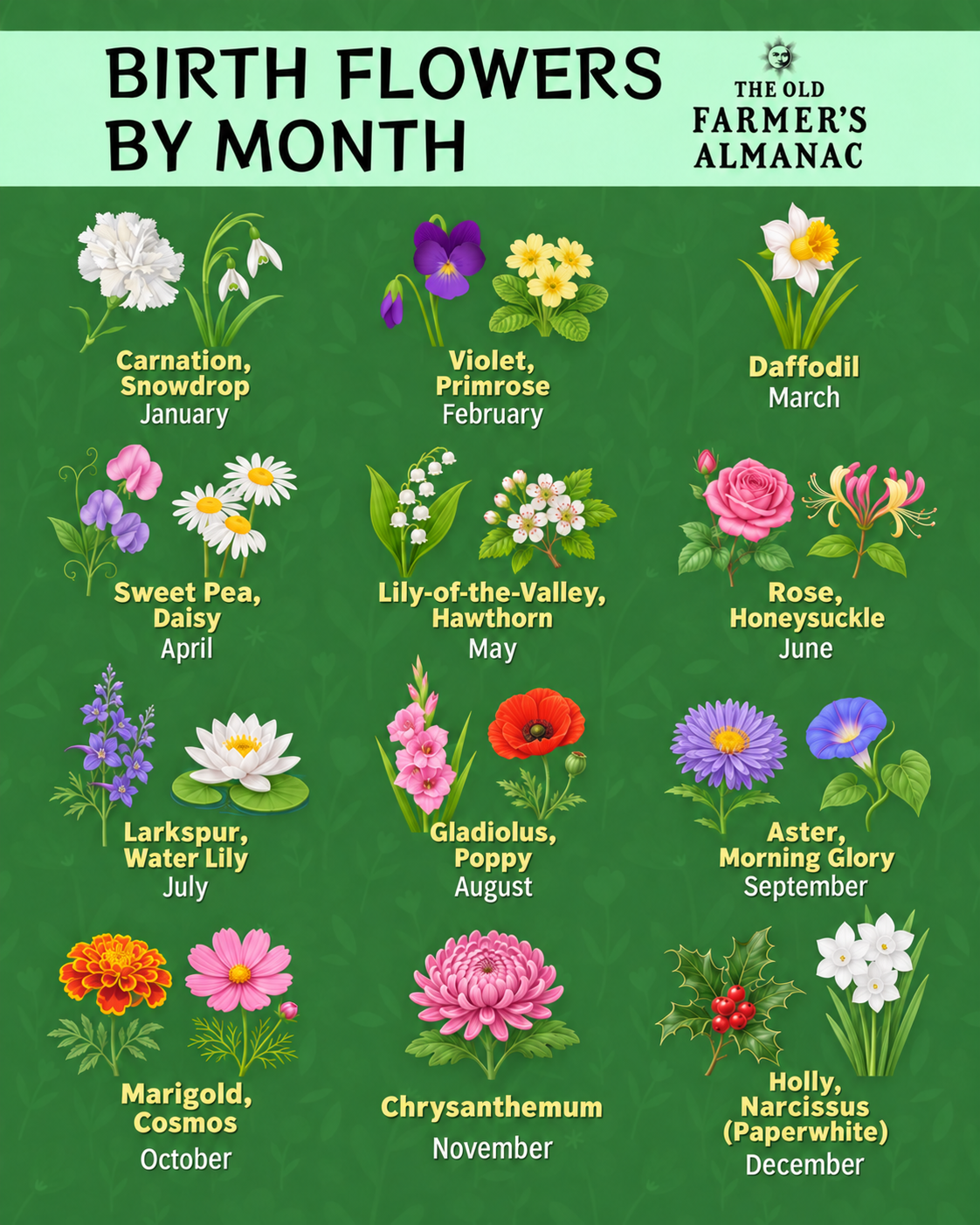
| Month | Birth Flowers & Symbolism |
|---|---|
| January | Carnation: depends on the color—pink means affection Snowdrop: hope and compassion |
| February | Violet: quiet devotion Primrose: the innocence of new love |
| March | Daffodil: the promise of a fresh start |
| April | Sweet pea: fondness and gratitude Daisy: innocence and true love |
| May | Lily-of-the-valley: the return of happiness Hawthorn: hope |
| June | Rose: love and beauty Honeysuckle: fond memories and lasting love |
| July | Larkspur: a cheerful spirit Water lily: purity and renewal |
| August | Gladiolus: strength of character Poppy: peaceful remembrance |
| September | Aster: wise and patient love Morning glory: playful affection |
| October | Marigold: joyful and sorrowful remembrance Cosmos: joy and harmony |
| November | Chrysanthemum: the joy of lasting friendship |
| December | Holly: protection and goodwill Narcissus (paperwhite): purity and new beginnings |
Find Your Birth Flowers by Month
Find your birth month below to learn about the flowers traditionally associated with it and what each one symbolizes.
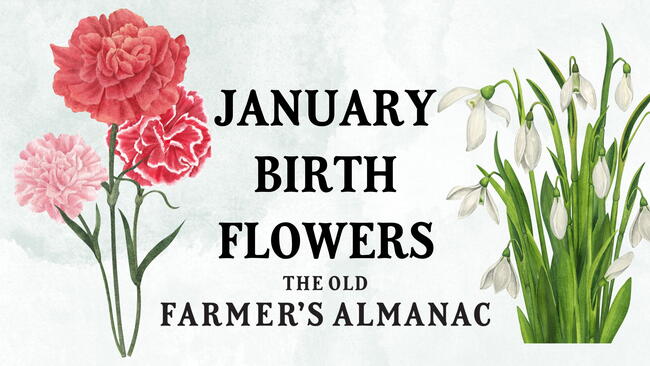
January Birth Flowers
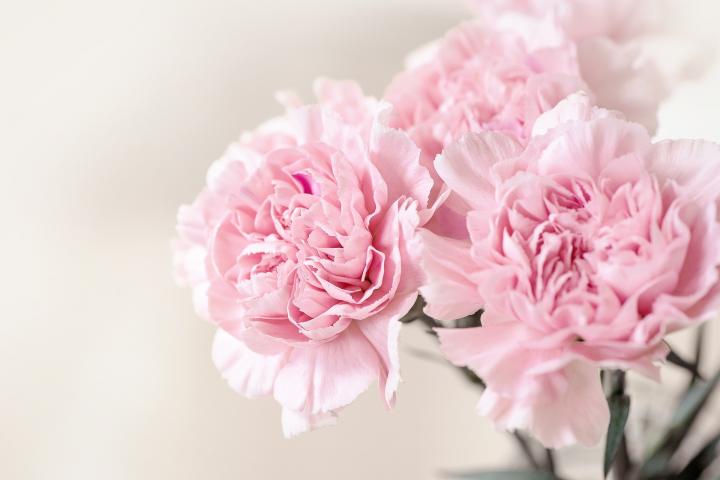
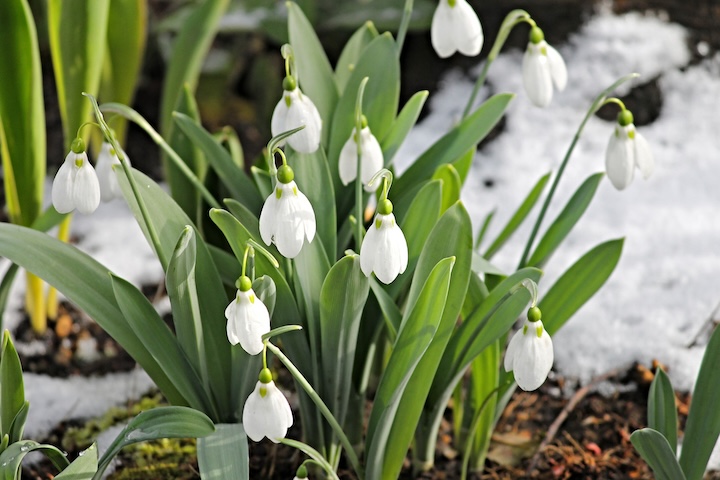
January’s birth flowers are the carnation and the snowdrop.
- Carnations have different meanings depending on the color, including affection (pink), regret (striped), and innocence (white).
- Snowdrops can signify hope, beauty, or compassion.
Learn more about January’s birth flowers.
February Birth Flowers
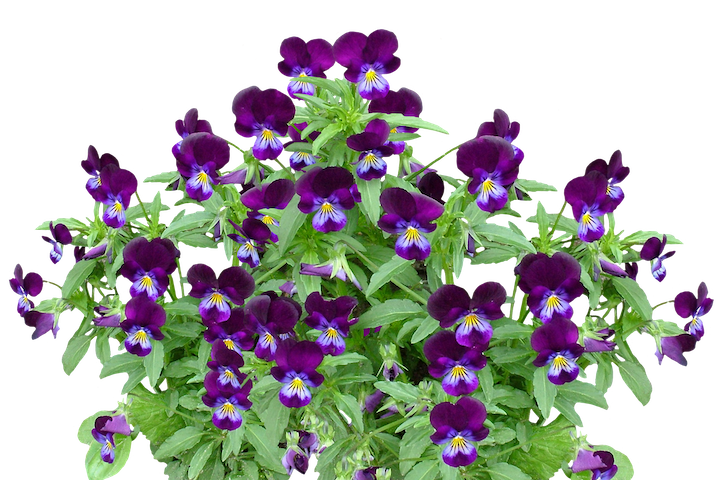
Most sources agree that February’s birth flowers are violet and primrose.
- Violets may signify modesty, humility, loyalty, or faithfulness.
- Primrose can symbolize youth, young love, innocence, or new beginnings.
Note: Some sources list iris as one of February’s birth flowers. Irises symbolize hope and faith.
Learn more about February’s birth flowers.

March Birth Flower
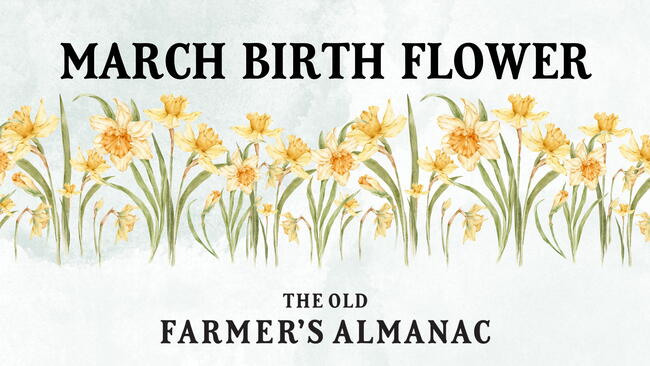
March’s birth flower is the daffodil, though some sources narrow it down further to the jonquil, a type of daffodil.
- Daffodils may signify rebirth, new beginnings, hope, inspiration, prosperity, forgiveness, or creativity.
Learn more about March’s birth flower.

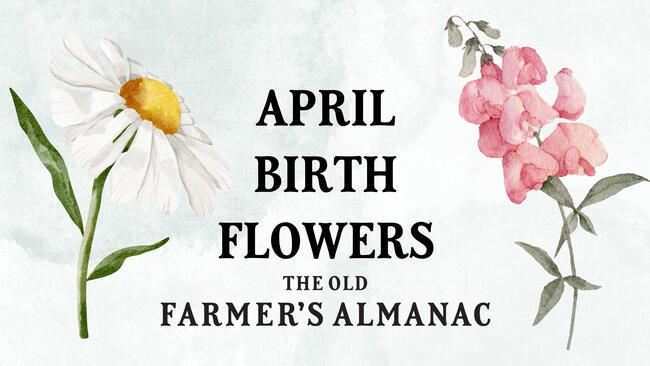
April Birth Flowers
April’s birth flowers are sweet pea and daisy.
- Sweet pea indicates delicate pleasures, good wishes, gratitude, friendship, or farewell.
- Daisies can symbolize innocence, purity, new beginnings, or true love.
Note: Some sources also list peony as one of April’s birth flowers. Peonies represent a happy life and marriage.
Learn more about April’s birth flowers.


May Birth Flowers
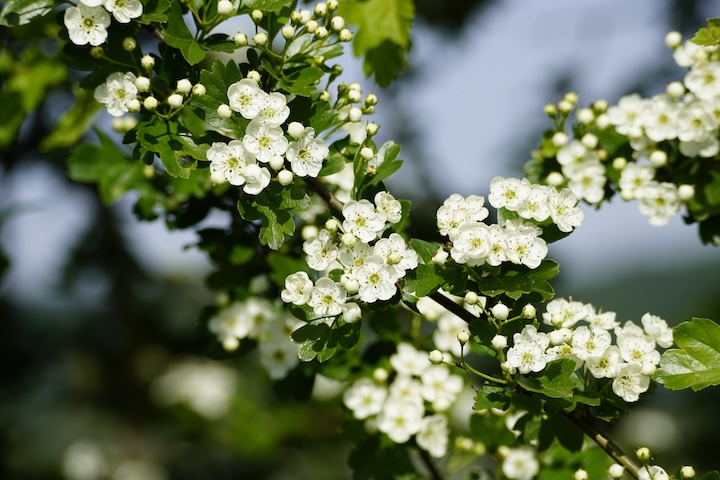
May’s birth flowers are lily-of-the-valley and hawthorn.
- Lily-of-the-valley may symbolize sweetness, purity, humility, or the return of happiness.
- Hawthorn represents hope.
Learn more about May’s birth flowers.

June Birth Flowers
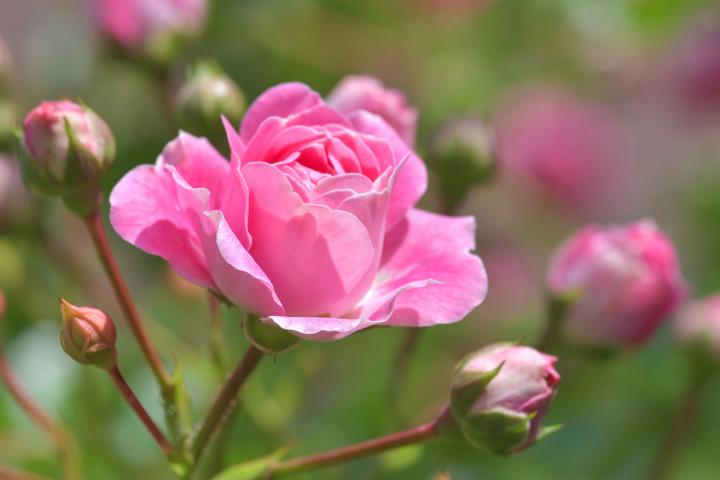
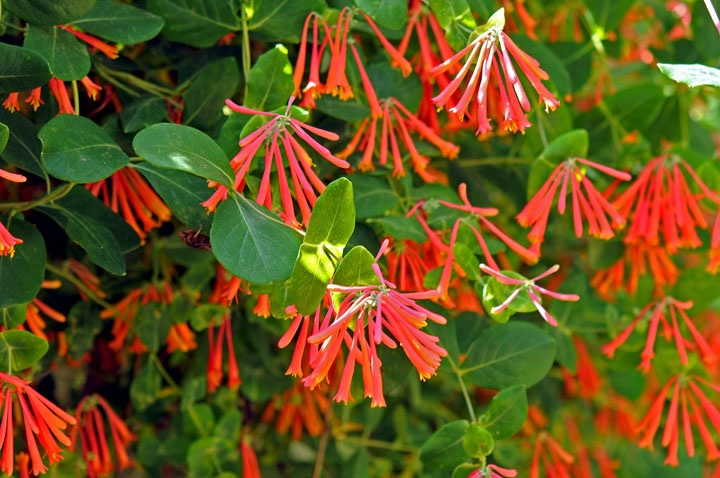
June’s birth flowers are the rose and honeysuckle.
- Roses symbolize love, beauty, and affection. A red rose means “I love you.” White roses mean innocence or purity, pink roses mean admiration or gratitude, and orange roses mean desire, energy, or excitement. Yellow roses can mean cheer, friendship, or sometimes jealousy.
- Honeysuckle can mean happiness, devotion, nostalgia, or affection.
Learn more about June’s birth flowers.
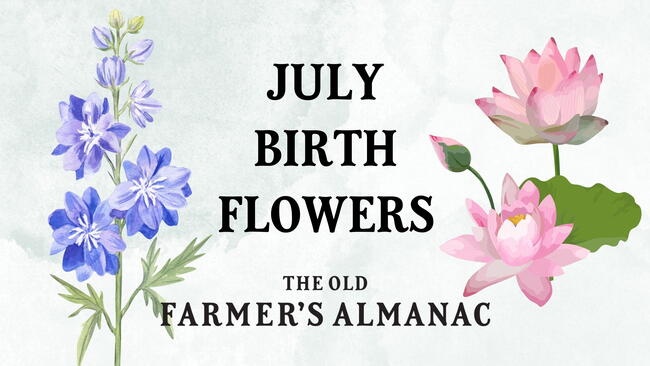
July Birth Flowers
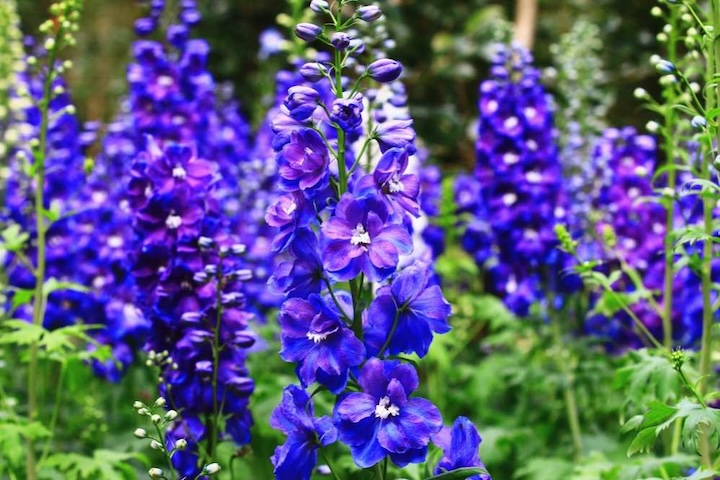
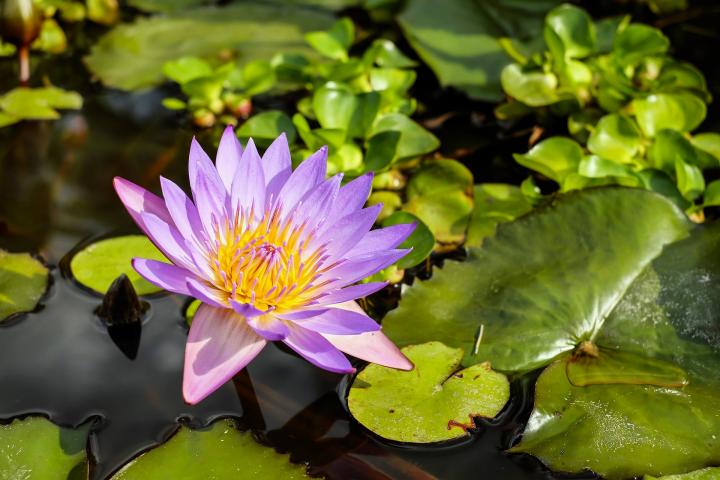
July’s birth flowers are larkspur and water lily.
- Larkspur may symbolize positivity, lightheartedness, dedication, or protection. White larkspur may represent happiness and joy, pink may suggest fickleness, blue can signify dignity and grace, and purple can symbolize first love.
- Water lilies represent purity, innocence, rebirth, or enlightenment, especially in white varieties. Pink water lilies can mean joy and friendship, red can mean romance, yellow can mean energy and new beginnings, and blue can mean calm and wisdom.
Learn more about July’s birth flowers.
August Birth Flowers
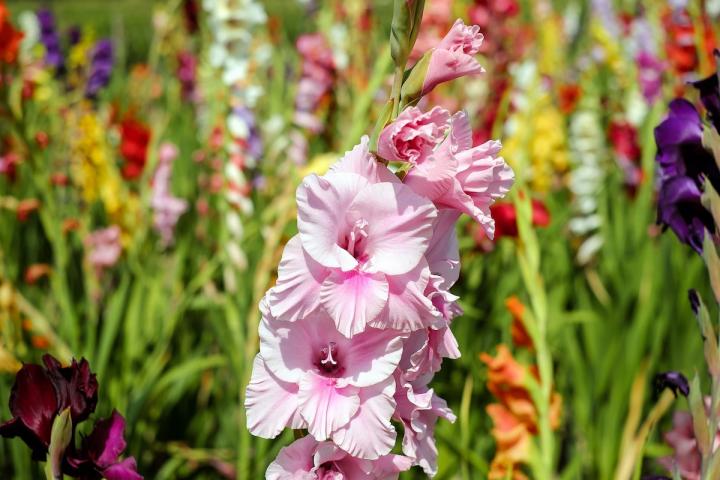
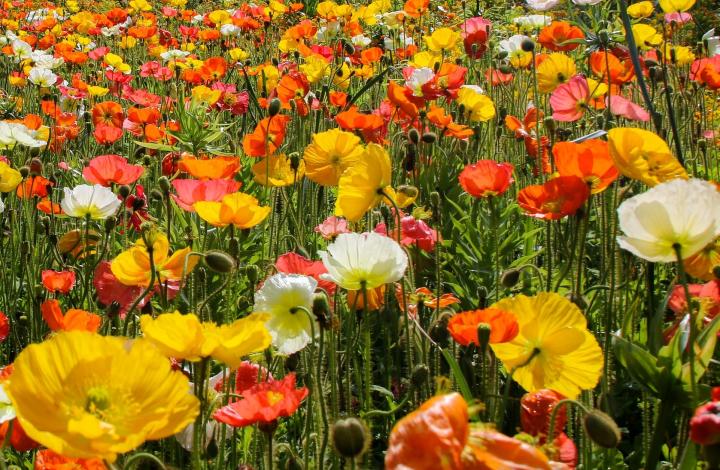
August’s birth flowers are gladiolus and poppy.
- Gladiolus may symbolize strength, victory, honor, love, integrity, remembrance, faithfulness, or sincerity.
- Poppies have long symbolized remembrance and comfort, as well as sleep, peace, death, and resurrection. It can also represent imagination, pleasure, or indulgence.
Note: Some sources also recognize the dahlia as an August birth flower. Dahlias symbolize loyalty and commitment.
Learn more about August’s birth flowers.
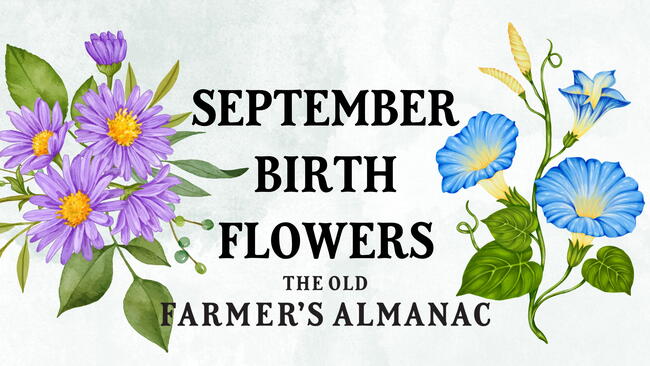
September Birth Flowers
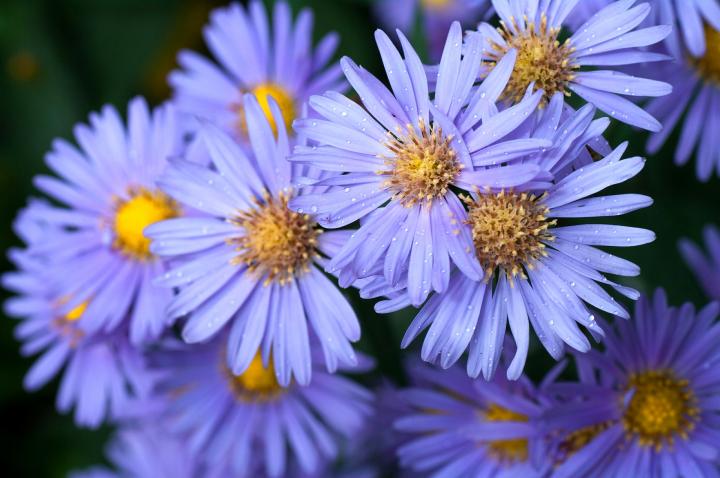
September’s birth flowers are aster and morning glory.
- Asters signify love, wisdom, patience, and beauty, as well as faith, friendship, and purity.
- Morning glory symbolizes affection and love. In the language of flowers, it can also mean flirting, putting on a show, or remind us that life is short.
Learn more about September’s birth flowers.

October Birth Flowers
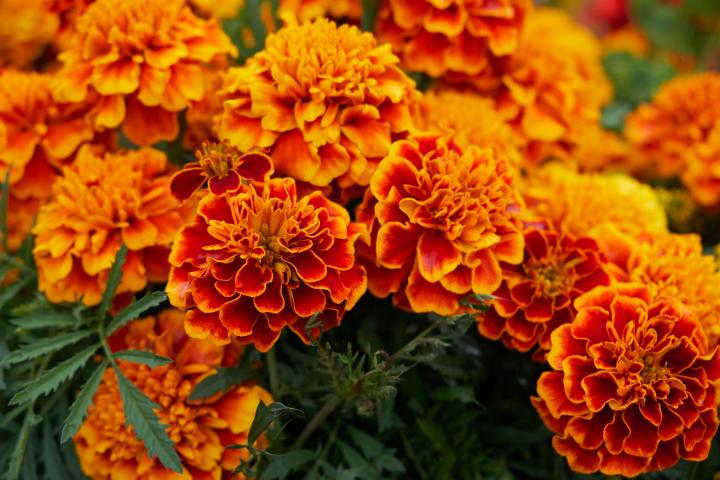
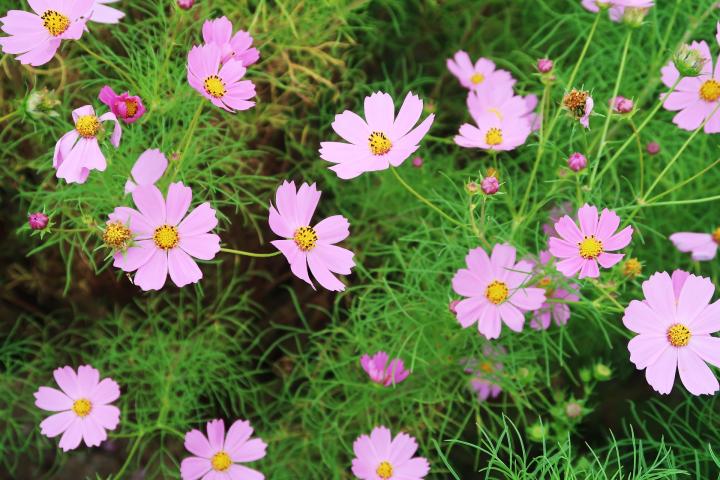
October’s birth flowers are marigold and cosmos.
- Marigold represents joy, remembrance, or grief in the language of flowers.
- Cosmos may symbolize joy in life, love, harmony, and peace.
Learn more about October’s birth flowers.
November Birth Flower
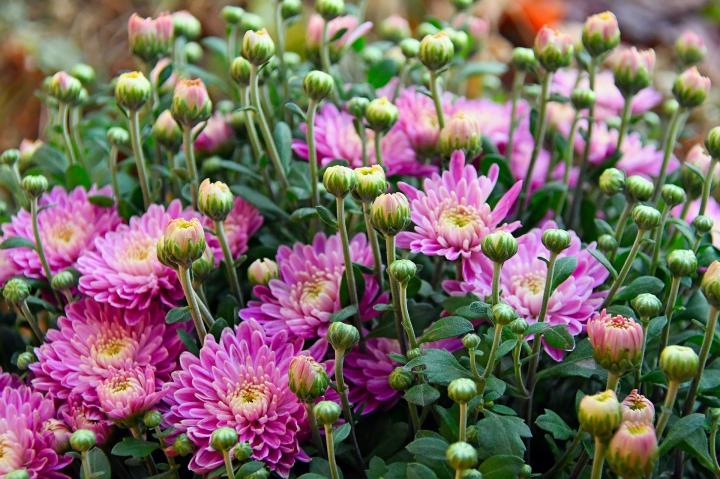
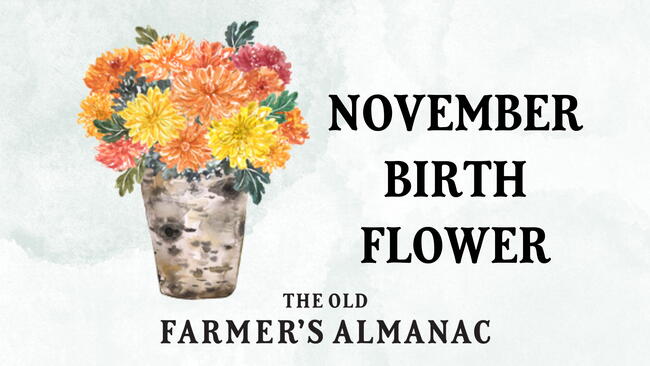
November’s birth flower is the chrysanthemum, commonly called the mum.
- Chrysanthemums may symbolize loyalty, friendship, and joy. Red mums may represent true love, white mums can signify innocence and honesty, and yellow mums can suggest a wounded heart or neglected love. In Chinese and Japanese traditions, the flower can symbolize youth or living a long time.
Learn more about November’s birth flower.
December Birth Flowers
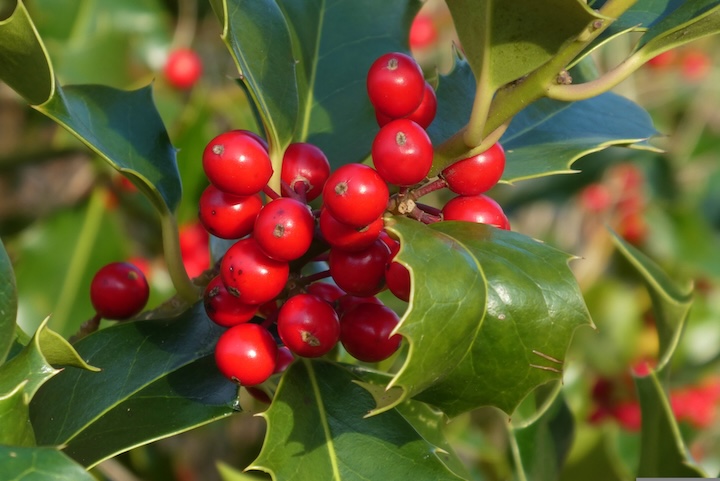
December’s birth flowers are holly and narcissus, including the paperwhite variety.
- Holly was once thought to protect one from evil and bring good luck. It can represent love, hope, peace, goodwill, or thinking about the future.
- Narcissus, including paperwhites, may symbolize purity, innocence, hope, rebirth, or new beginnings.
Learn more about December’s birth flowers.

Why Do Most Months Have Two Birth Flowers?
Most months have two birth flowers because of regional and cultural differences. Not all cultures agree on which flowers correspond to which months. Plus, some flowers are easier to come across in one part of the world than another. Over time, the flowers most associated with each month became the list you see in this article.
Of course, as with most traditions that stand the test of time, sources don’t always agree 100% on birth flowers and their symbolism. For instance, the University of Illinois Extension lists peony alongside sweet pea and daisy for April’s birth flowers.
So if you find a list that doesn’t fully match ours, or if your florist uses a different one, it’s not necessarily wrong. It may just be a slightly different way of interpreting thousands of years of history.
Ways to Use Birth Flowers
In our lives today, birth flowers are an excellent way to mark an occasion, whether it’s a birthday, a marriage, or a funeral. A simple bouquet of birth flowers can be a thoughtful gift.
It’s no surprise that readers of The Old Farmer’s Almanac have come up with tons of other creative ways to use birth flowers. From weaving flowers into unique birth month necklaces to designing tattoos and family kitchen tiles, the possibilities are endless!
What is your birth flower? Tell us in the comments!
Frequently Asked Questions
-
What are birth flowers?
Birth flowers are blooms traditionally linked to the month you were born, much like birthstones. If you were born in March, for example, your birth flower is the daffodil, a symbol of hope and new beginnings.
-
Does every month have two birth flowers?
No. March and November each have one birth flower. March’s birth flower is the daffodil, and November’s birth flower is the chrysanthemum. The other months have two birth flowers.
-
Can I give just one birth flower in a birthday bouquet?
Of course! If the birthday month has two flowers, either one works. Feel free to pick the one you think they’ll like best, or the one with the more fitting symbolism.
Sources
- University of Illinois Extension — Floriography: The meaning of flowers
- Iowa State University Extension — Flowers and Their Meanings: The Language of Flowers
- University of California Agriculture and Natural Resources — Birth Flowers

More Like This

Excellent question, Rachel! We couldn't find an authoritative source that lists alternatives for the Southern Hemisphere, although there are suggested lists out there from several businesses, personal blogs, etc. We're finding that most sources from Australia, New Zealand, etc., list the birth flowers that agree with our list above. Although that list is based on folklore likely developed in the Northern Hemisphere, we'd recommend our standard list as the official one, as that seems to be what is usually accepted. But if you'd prefer, you can certainly look into alternatives for your area that would make more sense for your growing season. Hope this helps!
- « Previous
- 1
- 2
- …
- 10
- Next »

Comments